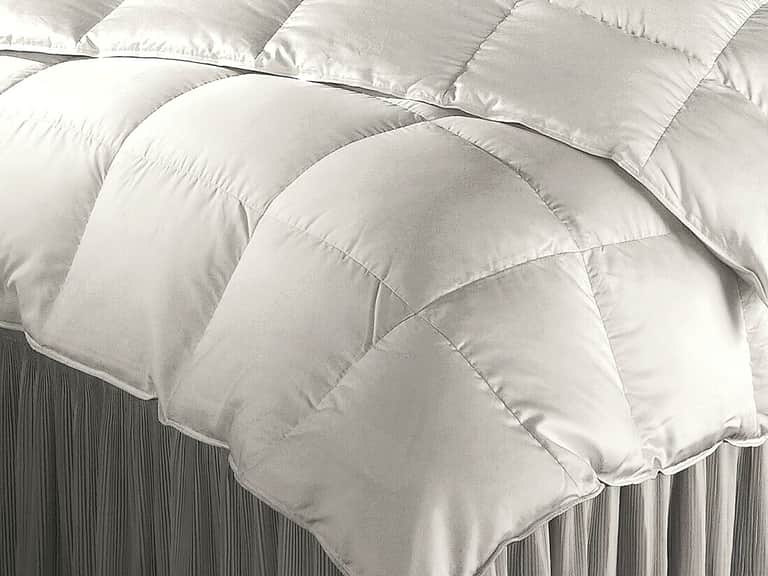
Comforters provide a compact, insulated layer that helps regulate睡眠 temperature while offering a soft, enveloping surface for rest. In this category, materials range from lightweight synthetic fills to premium natural options, each designed to balance warmth, breathability, and loft. Understanding fill power, warmth ratings, and shell fabric can guide selecting a comforter suited to different sleeping environments and preferences, including those with sensitivities to allergens or dust.
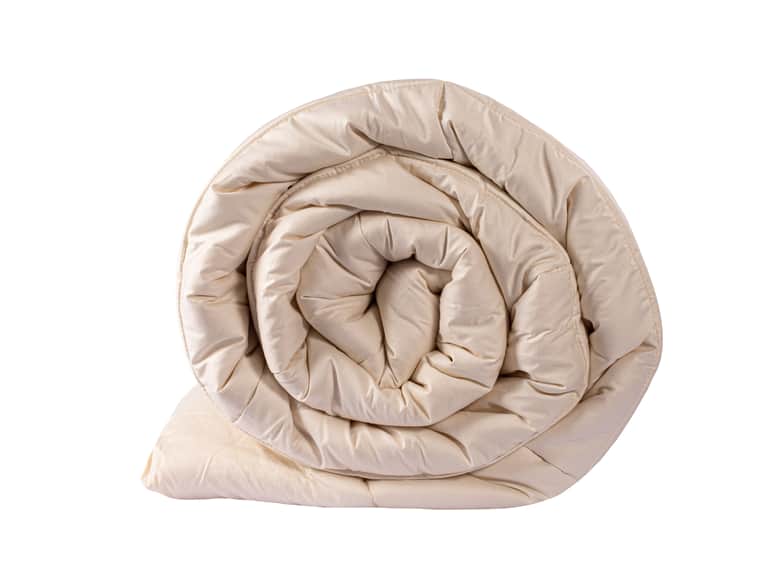
Two notable examples illustrate common design goals: the Sleep and Beyond myMerino Wool Comforter and the Madison Goose Down Comforter. The myMerino Wool option leverages natural fibers known for moisture management and temperature regulation, contributing to a cooler feel during warmer nights and added warmth when temperatures drop, while maintaining a comfortable, breathable surface.
The Madison Goose Down Comforter emphasizes high loft and lightweight warmth through premium down clusters. Goose down delivers excellent insulation-to-weight ratio and a cloud-like feel, with a durable shell and baffled construction to maintain even distribution. This type of comforter is often favored for its compressibility and steady warmth without bulk.
Key features to evaluate include fill type (synthetic, wool, goose down), fill power or weight, shell fabric durability, and corner or edge construction that prevents shifting. Functional benefits commonly include allergy-friendly finishes, ease of care, and resilience to daily use. Such attributes influence comfort, sleep quality, and long-term performance in bedrooms with varying climates.
In terms of practical use, comforters serve as a primary insulation layer atop sheets and under blankets. They are designed to work with a range of bedding systems, including compatible pillows and sheets and even adjustable beds, where layering and pressure distribution contribute to a balanced sleep experience across seasons and room temperatures.
 Bedding