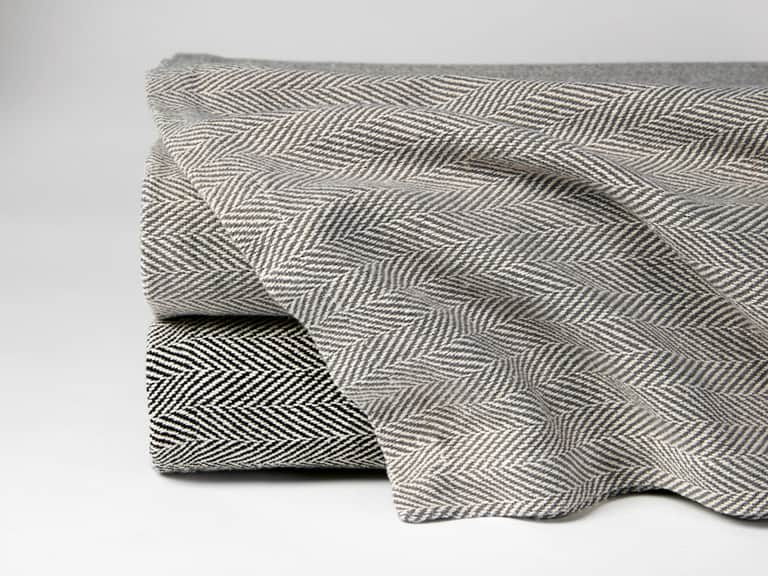
Celine Bed End
Experience a plush, durable edge to your bed with the Celine Bed End. Brushed cotton, herringbone weave, and a plain hem offer refined texture and cozy everyday comfort—made in Portugal for lasting softness.
Exploring Sleep and Beyond’s organic cotton sheets, percale and sateen weaves, non-toxic certifications, and how material choices shape comfort, durability, and indoor air quality. A narrated guide through time, texture, and texture’s influence on wellbeing.
In the quiet hours of the night, the bedroom becomes more than a sanctuary of rest. It is a laboratory of perception: the feel of fabric against skin, the breath of cool air, the way a room appears to soothe or awaken. The Clean Bedroom—an identity that began with a simple idea of clarity and order—has grown into a thoughtful dialogue with sleep, environment, and the ethics of the materials we touch nightly. This essay journeys through the brand’s organic bedding materials, focusing on cotton percale and cotton sateen, while foregrounding the non-toxic, eco-friendly philosophy that underpins modern, health-conscious sleep.
To understand how fabric choices affect sleep, we stand beside three time-spanning figures—each from a different era—who remind us that the quest for a better bed is both ancient and contemporary. We begin with a Renaissance thinker who asked what furniture can reveal about a person’s habit, move to a 19th-century designer who treated fabrics as moral language, and end with a 21st-century innovator who insists on transparency in certifications. Their voices, though separated by centuries, converge on a single point: our surroundings shape our wellbeing as surely as any ritual or routine.
Percale is the fabric of daylight clarity in textile form. Woven with a one-over-one-under weave, percale sheets from Sleep and Beyond—an exemplar in the industry—offer a crisp, matte finish that remains durable after many cycles of washing. A 270 to 270-plus thread count, often cited in product descriptions, is a balance rather than a rigid ruler: it signals a clean hand, a reliable weave, and a breathable surface that handles warmth without trapping heat. In a climate where night sweats are a modern nuisance, percale becomes a practical ally rather than a luxury ornament.
Historically, the craft of percale emerged in European textile centers, where artisans refined a cool, patient hand in fabric that could be repeatedly laundered without losing its integrity. Modern manufacturers—Sleep and Beyond among them—translate that legacy into certifications and transparent sourcing. The result is a lineage of sheets that speak to durability, simplicity, and a sense of honest fabric engineering.
Sateen sheets distinguish themselves by a soft sheen and a smoother hand, often achieved through a higher thread count and a satin-like finish. The Sleep and Beyond Organic Cotton Sateen Sheet Set embodies this luxury with 300-thread-count, a weave that yields a drapier surface and a touch that glides across the skin. The sophistication of sateen lies not merely in luster but in how the fabric ages—softening with every wash while maintaining a calm, almost restaurant-quality polish. For many sleepers, sateen offers a gentle embrace, less clinical than crisp percale, more akin to a whispered luxury.
Beyond tactile appeal, sateen must prove its case in safety and sustainability. Here again, Sleep and Beyond pairs texture with responsibility: organic cotton, GOTS certification, and laundering guidance that respects the fiber’s life cycle. A bed dressed in organic sateen is not just a surface; it is a statement about how we choose to inhabit our sleep spaces.
The Global Organic Textile Standard (GOTS) appears on product labels as a signpost of credibility, but what lies behind that seal is a rigorous audit of every stage of a textile’s life—from fiber cultivation to the finished fabric. GOTS addresses the presence of chemical residues, the processes of dyeing, and the treatment of wastewater, ensuring that textiles meet stringent environmental and social criteria. For a consumer, a GOTS-certified sheet set signals more than a hygienic guarantee: it is a pledge that the product was manufactured with minimal chemical risk, and with respect for the people and ecosystems involved in its creation.
In practical terms, verifying this certification involves looking beyond the logo to supply chain transparency—confirming that the cotton is organic at the farm level, that dyes are non-toxic, and that workers operate under fair conditions. Sleep and Beyond makes this approach tangible by grounding its messaging in accessible care instructions and straightforward material descriptions, bridging the gap between laboratory certainties and the lived experience of the sleeper.
Designers have long argued that textiles are not mere coverings; they are the medium through which space and mood converse. In a bedroom designed for rest, the textile palette—soft neutrals, a restrained sheen, a matte finish—creates a stage upon which the body can finally release tension. The Bed End by Celine, a refined accent piece in 100% brushed cotton, offers texture without overstatement. Its herringbone weave, wrapped in a brushed nap, provides a tactile anchor at the edge of the bed, a small, deliberate luxury that invites one to linger over the feel of fabric as a moment of morning and night converge.
This object, though small, embodies a philosophy: choose materials that age gracefully, reveal their character slowly, and honor both comfort and craft. The Celine Bed End—crafted in Portugal from cotton—epitomizes the union of form and function that defines a modern, conscious bedroom aesthetic.
Renaissance Thinker (15th–16th centuries): The Renaissance mind asked what the room says about those who inhabit it. If fabrics could tell a narrative of virtue and discipline, a well-ordered sleeping chamber would reflect a life of measured habits. The careful selection of textiles—like cotton in its purest form—becomes a moral statement about care, stewardship, and the belief that a space can cultivate better living.
Victorian Designer (19th century): In the era of heightened domesticity, textiles are currency and character. The decision to embrace natural fibers—cotton or wool—carries with it a belief in safety, resilience, and the dignity of workmanship. The bed is a stage where design communicates quiet refinement, and materials must endure the daily acts of life with grace and endurance.
Contemporary Ethics Advocate (21st century): Our moment demands transparency: who makes our textiles, under what conditions, and with what chemicals. Certifications like GOTS are not merely labels; they are a chorus of accountability. The modern sleeper is a reader of labels, a curator of texture, and a participant in a shared conversation about health and ecology in the most intimate rooms of the home.
Brushed cotton yields a plush texture in a herringbone weave finished with a plain hem. Crafted in Portugal from 100% cotton to finish the bed edge with refined, durable texture.

Brand: Sferra • Source: The Clean Bedroom
Note: The Celine Bed End stands as a tactile ornament that anchors the room’s palette and texture, a small but meaningful accent in the broader system of Sleep and Beyond’s organic bedding universe.
Care guides are often the overlooked manuals of comfort. The longevity of organic bedding depends not merely on fabric strength but on the rituals that accompany washing, drying, and storage. For cotton percale, gentler cycles, cool water, and minimal agitation help preserve crispness and prevent pilling. Cotton sateen benefits from a similar gentleness, with the added benefit of a subtle sheen that remains intact when air-dried or tumble-dried on a low setting. The aim is not to starve the fabric of life but to respect its integrity and the chemical-free promise that drew the buyer to organic cotton in the first place.
As modern life encourages quick fixes, the true luxury is time—time for a patient rinse and a slow tumble, time for a bed that welcomes your return with the quiet certainty of a well-made thing.
Contemporary Technologist: The modern textile pipeline is a chain of laboratories and certified facilities. Consumers now expect traceability of fibers, non-toxic finishes, and transparency about manufacturing footprints. The Sleep and Beyond line is a case study in balancing tactile delight with ecological responsibility.
Historian of Domesticity: The evolution from utilitarian sleep surfaces to ethically sourced, design-forward bedding marks a shift in everyday life: the bedroom as a space that communicates health, taste, and a quiet commitment to sustainability.
Textile Ethicist: Certification labels become moral signposts, guiding decisions about chemical exposure and worker welfare. By prioritizing organic, certified materials, manufacturers acknowledge a social contract with consumers who care about more than just price or texture.
In the quiet rhythm of the night, the choice of bedding is a daily ritual of care. Organic cotton percale and sateen, when selected with an eye toward certifications and transparent sourcing, become more than fabrics: they are allies in a lifestyle of attention—toward health, toward the planet, toward the cadence of good rest. Sleep and Beyond reminds us that comfort is not a passive experience but a conscious practice—one that respects materials, honors artisans, and invites the sleeper to live well by sleeping well.
The Celine Bed End, the level of detail in the sheet sets, and the careful documentation of fibers and processes together sketch a portrait of a modern bedroom: a room that is not haunted by chemical doubt but animated by clarity, texture, and quiet, unforced luxury.